Pickleball Training · East Bay, CA
Pickleball training to stay on the court.
Strength, footwork and balance work for players who want a quicker first step, fewer tweaks and more games every week.
See Pricing & Get Started →- ACE-certified coach
- 23 years training active adults
- Programs built around your playing schedule
Built for lunges, dinks and overheads.
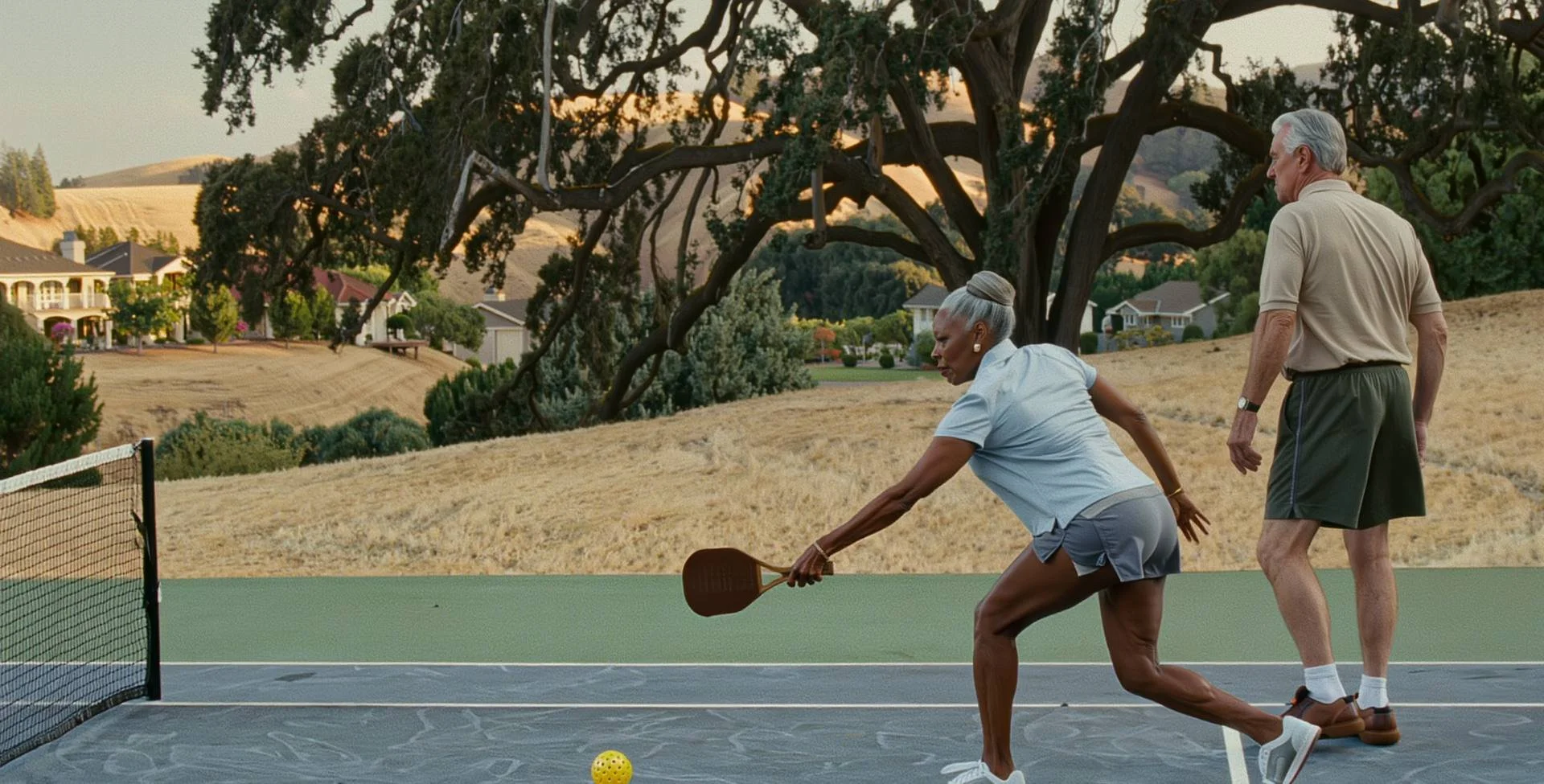
Pickleball looks gentle until you lunge for a drop shot. Quick stops, side-to-side moves and overhead swings are hard on calves, knees, hips and shoulders, especially for players who came to the game in their 50s, 60s or 70s.
Francisco builds a short, focused program around how you play: leg strength for lunges, footwork for getting to the kitchen line, balance for backpedaling, and shoulder work that keeps your overhead shot pain-free. Many players also find the lifting helps their bones, which matters as much off the court as on it.
Is this right for you?
A good fit if
- You play three or more times a week and want to keep doing that for years.
- A calf strain, sore shoulder or cranky knee has sidelined you before.
- You feel a step slow getting to the ball, or uneasy moving backward.
- You want strength training that makes you a better player, not a gym routine.
Probably not a fit if
- You’re looking for paddle and strategy lessons. We train the athlete; your club pro trains the shots.
What working together looks like
We talk about how often you play, past injuries and what feels hard on the court, then check your balance, footwork and shoulder range.
One or two short sessions a week around your game days: strength, agility, balance and a warm-up you can do before every match.
We retest speed and balance and adjust as your game, and your schedule, changes.
Questions, answered
What exercises help you get better at pickleball?
The most useful are leg strength (split squats, step-ups), lateral footwork drills, balance work for backpedaling, and shoulder and upper-back strength for overheads. Together they give you a quicker first step and more control at the kitchen line, and they lower the risk of common strains.
How do I avoid injuries playing pickleball over 50?
Warm up for five to ten minutes before you play, strengthen your calves, hips and shoulders twice a week, and practice moving backward safely. Most pickleball injuries come from sudden lunges and falls, so balance and leg strength make the biggest difference. Rest when something hurts rather than playing through it.
Can strength training help my pickleball game?
Yes. Stronger legs and hips mean faster starts and stops, a stronger core helps you reach without losing balance, and shoulder work protects your overhead. Players often notice they get to more balls and feel less sore the day after.
How often should pickleball players strength train?
One or two sessions a week is enough for most players who are on the court several times a week. Your coach schedules lifting away from big match days so your legs are fresh when you play.
Do you teach pickleball strokes and strategy?
No. The Fit Potato focuses on the fitness side: strength, footwork, balance and injury prevention. Pair it with lessons from your club pro or a local coach for strokes and strategy.
How much does pickleball training cost?
Private sessions start at $120. Most players train once or twice a week, and your coach will suggest a schedule during your private consultation.
Keep playing for years.
Tell us how often you play and what’s been holding you back. We’ll build a plan around your court time.
See Pricing & Get Started →Prefer email? coachfrancisco@thefitpotato.com